
Quality you can verify. Research you can rely on.
Our R&D is focused on product development, quality control and standardisation. Every product is based on rigorous research and manufactured using sophisticated machinery.
No investment is too much for a safe, innovative solution.
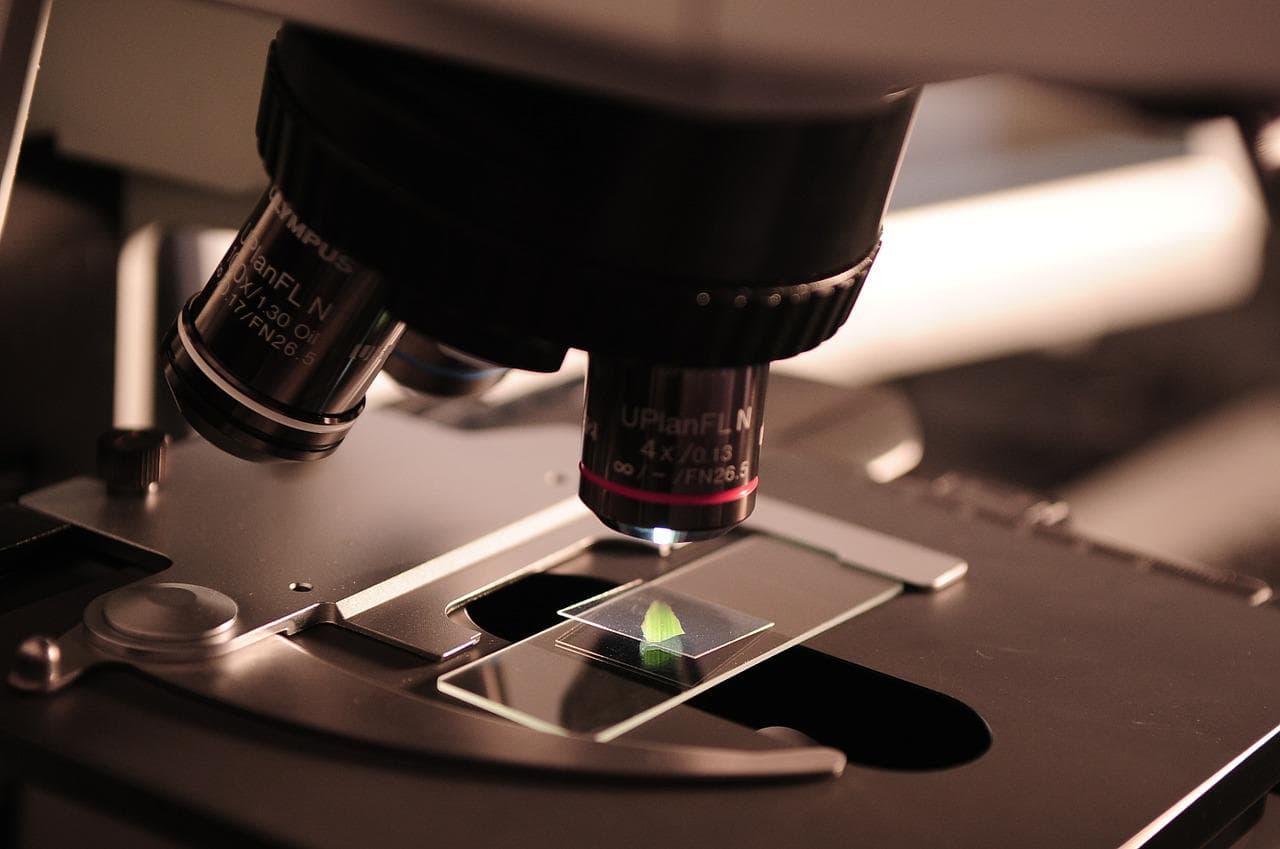
Our R&D lab is equipped with modern instruments and a team of expert researchers who keep revising our compositions so that products comply with international standards.
The R&D team also helps us adopt cost-effective methods – suggesting alternative routes or processes of manufacture – so that customers get consistent quality at a sustainable cost.
- ISO certified quality system
- Multi-step testing of every product
- Continuous review against international standards
Two stages of evaluation, on every product.
1 · Organoleptic evaluation
A highly sensitive test carried out by the experienced researchers on our team, under the supervision of Dr. Sandeep Gupta, CEO. It confirms the properties of the material:
- Colour
- Odour
- Appearance
- Taste
2 · Instrumental evaluation
Physico-chemical properties are checked by specially trained staff using computerised, state-of-the-art instruments. We also run microbiological tests to confirm finished products are free from pathogens.
What we test with, and what it tells us.
| Polarimeter | Optical rotation |
|---|---|
| Refractometer | Refractive index |
| Hydrometer | Specific gravity |
| Digital pH meter | pH analysis |
| GLC (gas-liquid chromatography) | Chromatographic profile |
| GC-MS | Mass spectroscopy – identity and composition |
| HPTLC | High-performance thin-layer chromatography |
How we protect delicate oils.
Citrus oils are rich in monoterpenes, which oxidise quickly. We combine advanced process engineering and packaging to keep them fresh.
Winterisation
Controlled cooling removes waxes and unstable components for a cleaner, clearer oil.
Terpene-less (TL)
Fractional distillation reduces reactive terpenes, improving shelf life and clarity.
Cold, low-oxygen storage
Chilled stainless-steel tanks and low-oxygen environments slow oxidation.
Protective packaging
Aluminium bottles, dark HDPE drums and airtight metal cans block light and oxygen.
Quality questions, answered
Is Bansal Aroma ISO certified?
Yes, Bansal Aroma is ISO certified. Please contact our team if you need a copy of the certificate for your vendor-approval process.
Can I get a Certificate of Analysis (COA)?
Yes. COA and technical documentation are available on request for the batch you are purchasing.
What tests do you perform on essential oils?
Organoleptic evaluation (colour, odour, appearance, taste) and instrumental evaluation – optical rotation, refractive index, specific gravity, pH, chromatography (GLC), GC-MS and HPTLC – followed by microbiological testing on finished products where applicable.
How do you improve the stability of citrus oils?
We use fractional distillation (winterisation), terpene-less (TL) processing, cold storage with minimal air exposure, antioxidants where needed, and UV-protected, oxygen-limiting packaging such as aluminium bottles and airtight metal cans.
Need documentation for your vendor approval?
Ask for our COA, specification sheets and certificates – we’ll help your quality team get what it needs.